Alcohol is one of the most socially accepted substances in today’s culture. It is often associated with celebration, relaxation, and social connection. However, for many individuals, alcohol use can gradually shift from casual or social drinking into a pattern that begins to affect their health, relationships, and overall functioning. Clinically, this pattern is defined as Alcohol Use Disorder (AUD) in the Diagnostic and Statistical Manual of Mental Disorders, Fifth Edition.
Alcohol Use Disorder is not defined simply by how often someone drinks, but rather by how alcohol use impacts a person’s life. According to clinical criteria, AUD involves a pattern of alcohol use that leads to significant distress or impairment. This may include difficulty controlling drinking, strong cravings, continued use despite negative consequences, and disruptions in daily responsibilities.
One of the key features of Alcohol Use Disorder is loss of control. A person may intend to have one or two drinks but finds themselves consuming far more than planned. Over time, this pattern can become more frequent, leading to binge drinking or daily alcohol use. This loss of control is not a reflection of weakness—it is a result of changes in brain function, particularly in areas related to reward, impulse control, and decision-making.
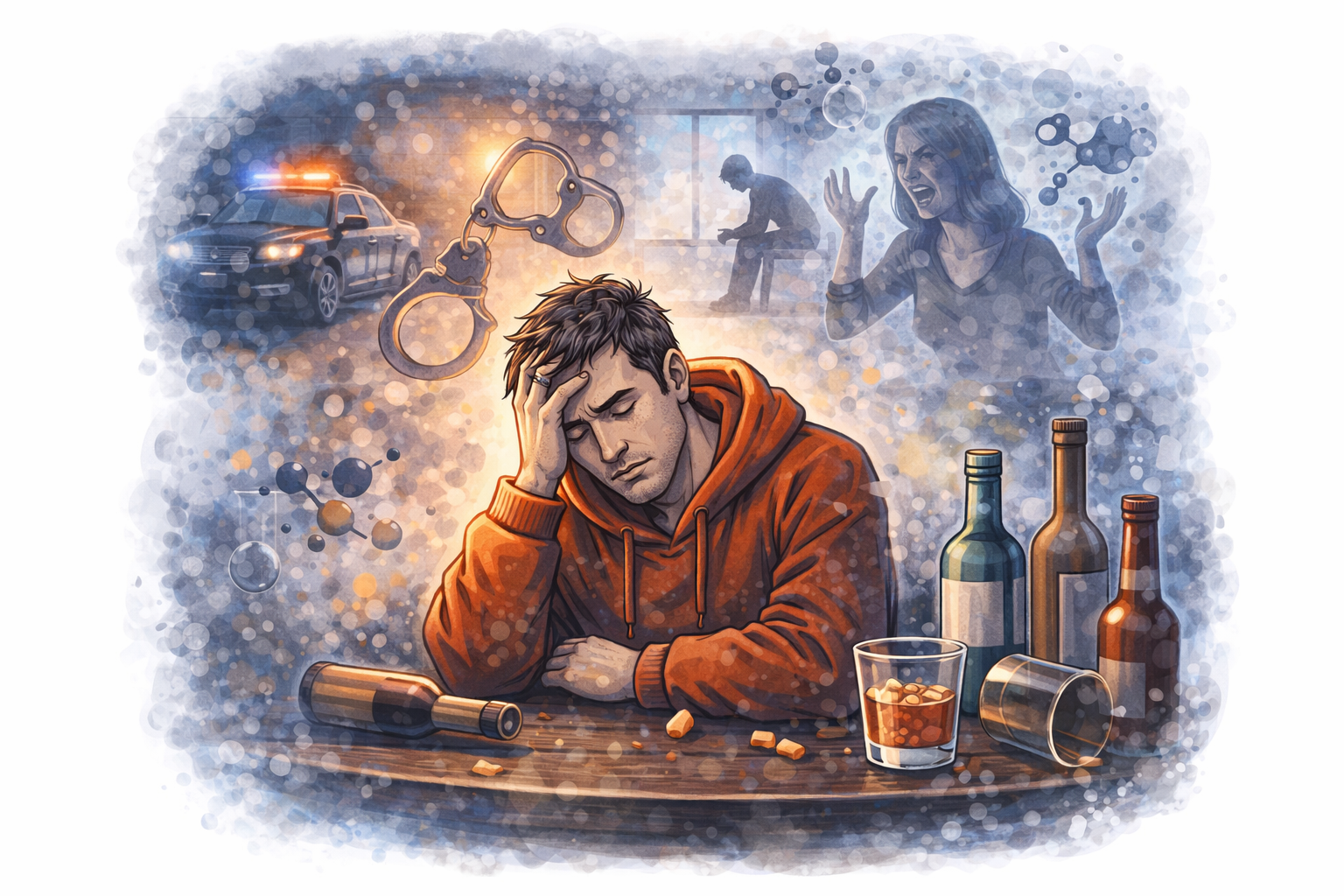
Another important aspect of AUD is continued use despite consequences. Individuals may experience problems such as strained relationships, poor work performance, financial issues, or declining physical health, yet still feel unable to stop drinking. This is often because alcohol begins to serve as a coping mechanism for stress, emotional pain, or mental health challenges.
Alcohol Use Disorder exists on a spectrum, ranging from mild to severe. Some individuals may notice early warning signs, such as increased tolerance or occasional overuse, while others may experience more severe symptoms, including withdrawal, dependency, and significant life disruption.
It is also important to understand that Alcohol Use Disorder is not just about the substance—it is about the relationship a person has with alcohol. For many individuals, alcohol becomes a way to manage emotions, escape discomfort, or cope with unresolved experiences.
Understanding Alcohol Use Disorder through a clinical and behavioral lens allows us to move away from judgment and toward compassion, awareness, and effective support. With the right resources, treatment, and support systems, recovery is possible, and individuals can rebuild healthy, meaningful lives.

Leave a Reply