
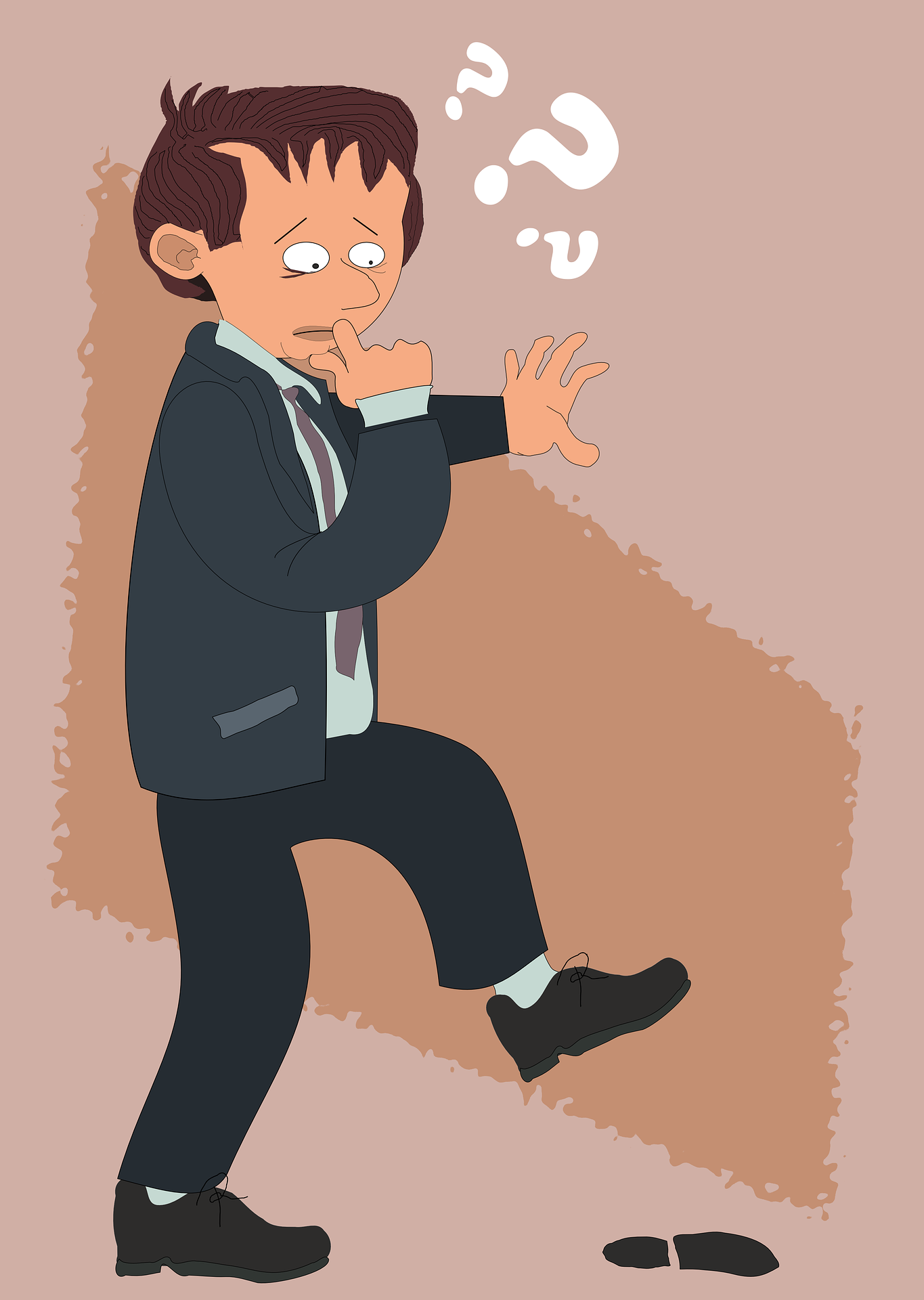
Mental health struggles do not always appear the way people expect. Many individuals imagine that mental health conditions are obvious or dramatic. In reality, symptoms often appear through small behavioral changes that develop gradually over time.
For example, someone experiencing anxiety may not always express fear directly. Instead, they may begin to:
• overthink everyday decisions
• struggle to relax or slow their thoughts
• anticipate worst-case scenarios
• frequently seek reassurance from others
Someone experiencing depression may not openly express sadness. Instead, they may begin to:
• withdraw from social interaction
• lose interest in hobbies or activities
• struggle with concentration
• feel physically tired most of the time
Behavior often becomes the visible expression of internal emotional experiences.
This is why mental health professionals pay close attention to patterns such as:
• avoidance behaviors
• emotional reactivity
• changes in sleep or appetite
• difficulty completing responsibilities
These behavioral patterns are often attempts to cope with overwhelming emotions, stress, or psychological pain.
Recognizing these patterns can help individuals and families understand when someone may need support. Early awareness can also make it easier to seek help before symptoms become more severe.
Understanding how mental health appears in everyday life helps create compassion, awareness, and opportunities for healing.

Leave a Reply